

Employability
4 min read
Why It Feels So Hard to Get a Job Right Now (2026 Reality)
Synopsis
If it feels harder to get a job right now, you’re not imagining it. Fewer openings, more applicants, AI screening, and slower hiring cycles are all changing the market. Here’s what’s actually going on.
If you are struggling to get a job right now, you are not alone.
There is a lot of pain in the job market. You apply, you wait, and you hear nothing. You read headlines that say there are jobs, but your inbox says otherwise. As a recruiter and career strategist, I see this every day. Let’s look at why it feels broken and what you can do to move forward.
The Real Reason It Is So Hard to Get a Job
Too Many Applicants, Not Enough Openings
When a company posts a job, it often turns into a feeding frenzy. Hundreds or even thousands apply within hours. Recruiters get flooded. Since they are measured on how quickly they fill a role, they focus on a handful of candidates who fit perfectly. With so many applications, they can afford to be very selective.
Rigid Processes and Poor Tools
Most companies publish jobs through applicant tracking systems. You fill out endless forms, upload your resume, and sometimes the system does not read your information correctly. Some employers even add long assessments before you ever speak to a person. It is frustrating and discouraging.
The Long Interview Treadmill
If you get past the first filters, you often face several interviews: a recruiter screen, a technical test, a hiring manager chat, a panel, and sometimes a final executive round. Each step takes time, and during that delay, priorities can shift or budgets can change.
AI and One-Way Interviews
More companies are testing AI tools and recorded video interviews. These can feel robotic and make it harder to show your real personality. Often the focus is on keywords or tone, not on who you are or what you bring.
Risk-Averse Hiring Managers
After recent layoffs and budget cuts, hiring managers are cautious. They prefer to hire someone from the same industry who can perform right away. It feels safer to them, even though it limits opportunity for new talent.
Lowball Offers and Short-Term Thinking
Even when you receive an offer, it might be lower than expected. Job security feels uncertain for everyone. That uncertainty makes companies move slower and candidates more anxious.
Why This Is Not Your Fault
The problem is not you. The system itself is struggling. Employers cut development budgets and focus on short-term hires. Recruiters deal with overwhelming volume and outdated tools. The frustration you feel is a symptom of a market designed to be efficient for companies, not for people.
What You Can Do Right Now
1. Fix Your Resume Fast
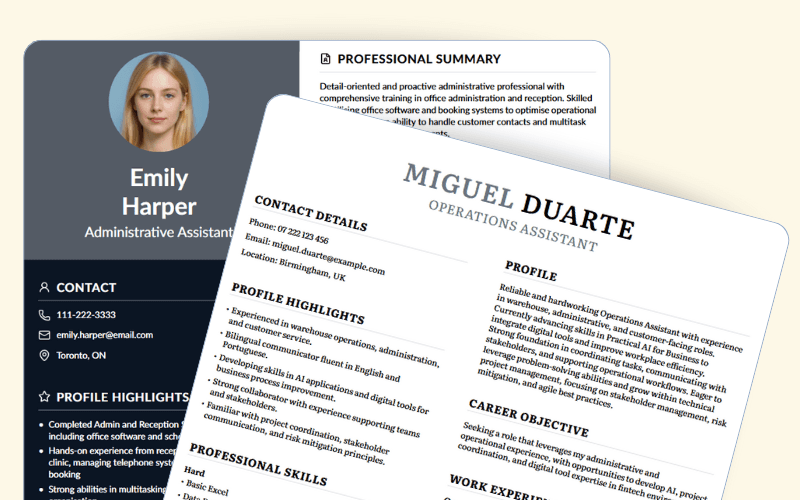
Keep it clear, concise, and targeted. Recruiters spend only a few seconds scanning. Highlight measurable results and match your language to the job description.
2. Fill Skill Gaps
If roles ask for a skill you do not have, learn it. Short online courses or tutorials can make a big difference.
3. Be an Early Applicant
Turn on job alerts and apply as soon as you see a role that fits. Early applicants often have a higher chance of being reviewed.
4. Prepare for Interviews
Use the STAR method (Situation, Task, Action, Result) to structure your answers. Be specific and show outcomes.
5. Build the Right Network
Networking is the most effective way to find work. Connect with hiring managers and peers. Offer value before asking for help.
6. Use Strategy, Not Hope
Have a plan for your job search. Track where you apply, what works, and what does not. Treat it like a project you manage.
7. Be Careful About Quitting
This is not the market to leave a job without a plan. Make sure you have savings or a backup before switching roles.
A Note on Privacy
When you apply to multiple jobs, your data can spread through third-party services. Be aware of where you upload your information. If you want to protect your privacy, look into data cleanup tools that remove your personal info from public directories.
Where Yotru Can Help
At Yotru, we understand how discouraging job hunting can feel. Our AI-powered resume builder helps you stand out by matching your resume keywords to real job descriptions. You can identify missing skills, improve your phrasing, and make your resume recruiter-ready in minutes.
We built Yotru to simplify the process, not to replace it. The goal is to help real people get noticed in a noisy job market.
If you need step-by-step support, you can try our free resume scan or read our guides on resume strategy and interview preparation.
Take one step at a time
Yes, the job market is tough. Yes, companies have made the process harder than it should be. But you still have control over your effort, your learning, and your approach. Each small improvement compounds over time.
Treat your job search like a skill you are mastering. Keep refining your resume, learn one new thing each week, and stay connected with others. Who you become in this process matters more than any single rejection.
About the Author

Maria Santos
Career Researcher
Maria Santos
Career Researcher
Maria is a Career Researcher at Yotru, studying hiring trends, resumes, and job pathways to strengthen the platform’s career guidance and insights.
Frequently Asked Questions
Because there are more applicants per role, fewer entry-level openings, and companies are hiring more selectively using AI and screening tools.
Continue Reading
More insights from our research team

Welder Salary in Canada 2026: What You Can Actually Earn
Welder pay in Canada varies widely by province, certification, and industry. This guide breaks down what entry-level, certified, and industrial welders actually earn — and what separates a $60K welder from a $120K one.
5 min read

Green Flags in Interviews: The Subtle Clues That Matter
For job seekers preparing for interviews: learn the subtle green flags that signal you’re on the right track, from conversation flow to interviewer behavior and hidden cues that often predict success.
6 min read

How to Write a Phlebotomist Resume That Gets You Hired
Writing a phlebotomist resume requires more than listing duties. Learn which clinical skills, certifications, and keywords actually matter to hiring managers in labs and hospitals.
14 min read

How to Apply for Jobs While You're Still in School
Still in school and applying for jobs? Here's how to present your education, build your resume, and compete as a student candidate — without waiting to graduate.
5 min read