

Practice
6 min read
Is AI Pushing Gen Z Toward Blue-Collar Careers? What the Data Actually Shows
Synopsis
AI is changing how Gen Z thinks about work, but it’s not a simple shift to blue-collar jobs. Interest in trades is rising due to automation fears, but the reality is more nuanced.
AI is rewriting the playbook of work, and Gen Z is paying attention. As automation reshapes offices, many of the entry-level white-collar jobs that once offered a stable start are disappearing.
Recently, The Globe and Mail highlighted this same shift, describing how automation is transforming early-career opportunities and why adaptability now defines success.
“Our advice to our student users is to showcase their AI expertise, with prompt examples, workflows, and outcomes,” said Zaki Usman, co-founder of Yotru, in the Globe’s feature. “If you can prove that you did not just use AI, but solved real business problems, you can stand out.”
This growing emphasis on adaptability is reshaping how young professionals think about success. Many are realizing that stability and purpose may no longer be found in traditional office jobs. Instead, they are seeking careers that blend human skill, creativity, and technological fluency.
A Generation Rethinking the Meaning of Success
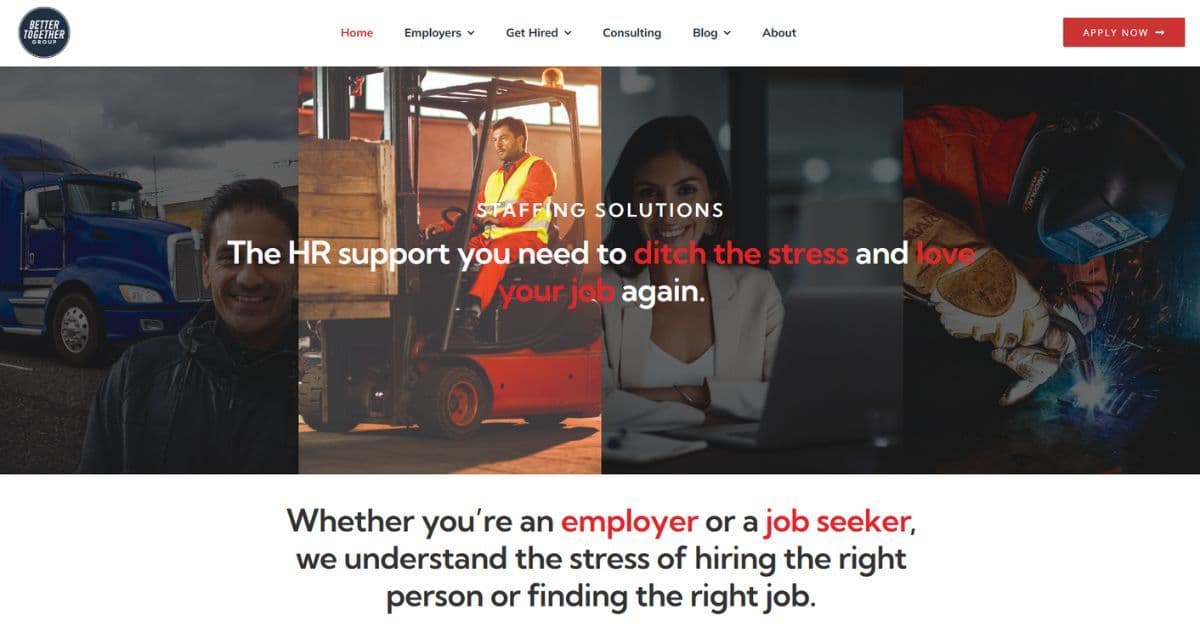
“Some students go to school for an education, and some go for a certificate. These are not the same thing,” says Hannah Dannecker, Managing Partner at Better Together Group.
Hannah began her career in teaching before pivoting into staffing during the pandemic to help her family’s business. Since then, she has devoted her work to helping employers understand and engage Gen Z talent.
“Gen Z has watched their parents live through the 2008 recession and then experienced the chaos of COVID in their formative years,” she explains. “They crave stability because they grew up watching it disappear. With AI taking away entry-level office jobs, those roles now feel like the least stable place to be.”
Hannah believes this generation’s choices are less about rejecting white-collar work and more about redefining what success looks like. “They want stability, flexibility, and a sense of purpose. If the traditional paths can’t offer that, they’ll find new ones.”
The Data Confirms It: Metaintro’s Perspective
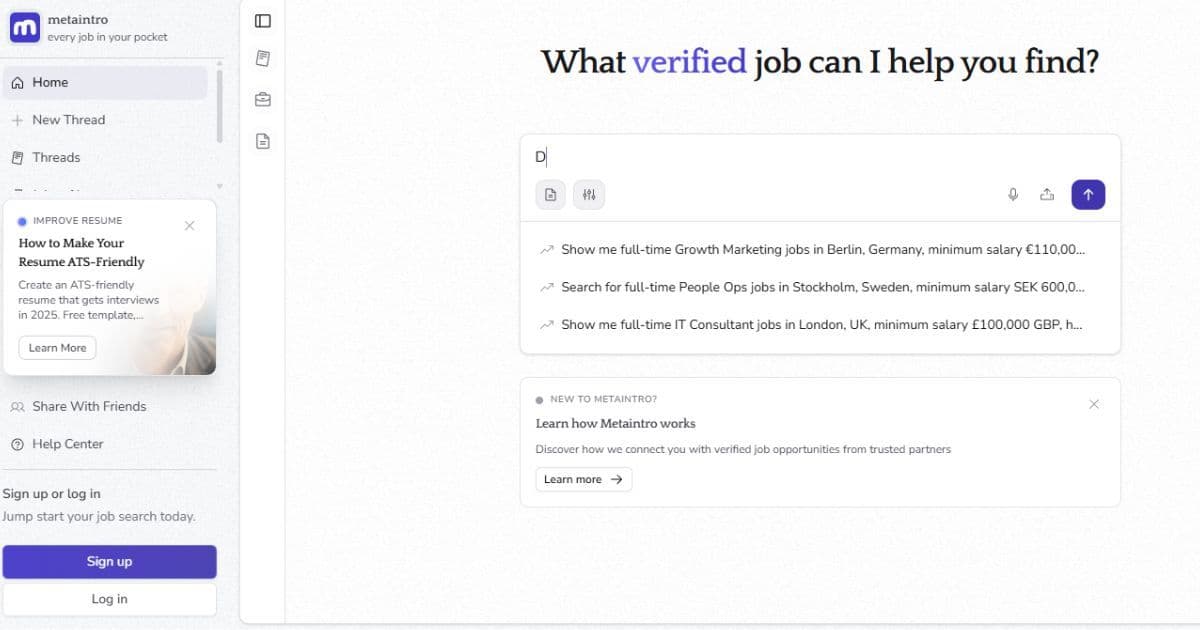
While individual stories capture the shift, the data reinforces it. Lacey Kaelani-Dahan from Metaintro, a job search engine that processes over 600 million job listings in near real time, sees clear changes emerging in global employment patterns.
“AI isn’t eliminating entire jobs. It’s changing what people do day-to-day,” Lacey explains. “Tasks that once required three people can now be done by one person working effectively with AI tools. The real concern isn’t AI taking jobs, but AI-savvy workers outcompeting those who don’t have these skills.”
She adds that skilled trades such as electricians, plumbers, and technicians are seeing strong demand growth.
“You can’t AI your way through diagnosing a mechanical problem or fixing a leak. Job postings in these fields now come with sign-on bonuses, apprenticeship programs, and salaries that rival entry-level office positions. Gen Z seems to recognize that opportunity.”
Her advice for young workers is practical: “Be honest about the automation risk in your field. Jobs requiring physical presence and problem-solving, like trades, healthcare, and specialized services, are safer bets than data entry or routine analysis.”
Metaintro’s data paints a clear picture. AI is not ending work. It is simply changing where the opportunity lies and what skills matter most.
Hands-On, High-Tech, and Hard to Automate
As a Gen Z founder himself, Hyrum Hurst, CEO of Quartersmart, has watched this change unfold among his own peers.
“Back in high school, a lot of my classmates chose trade programs or apprenticeships instead of planning for a four-year degree,” he recalls. “That trend has only grown stronger as AI continues to reshape the job market.”
For Hyrum, trades are not a fallback. They are forward-thinking. “These roles can’t easily be replaced by software, but they are learning to use AI to make their work more efficient,” he says. “The combination of hands-on expertise and technical fluency is what sets people apart.”
To many young workers, trades now look less like a backup plan and more like a smart, stable career path that blends skill, security, and progress.
From Hired to Owner: A New Path to Independence
The entrepreneurial spirit is thriving too. Robyn Deering, a franchise consultant with The Franchise Consulting Company, has seen more young clients choosing trades and home-service businesses over traditional office jobs.
“There’s been a wave of young people starting home-services and trade franchises instead of chasing the college-to-corporate route,” she says. “They want control, community impact, and a clear path to growth.”
Franchises offer structure, mentorship, and proven models that make business ownership less risky. Robyn even points to her own family as an example.
“My son went straight from high school to owning his own repair franchise. It’s real work, and it’s his. That sense of ownership means a lot.”
This movement reflects a broader mindset across Gen Z. If the corporate ladder is shrinking, they are choosing to build their own. You can hear Robyn explain more on her podcast.
Not Everyone Is Leaving the Office Behind
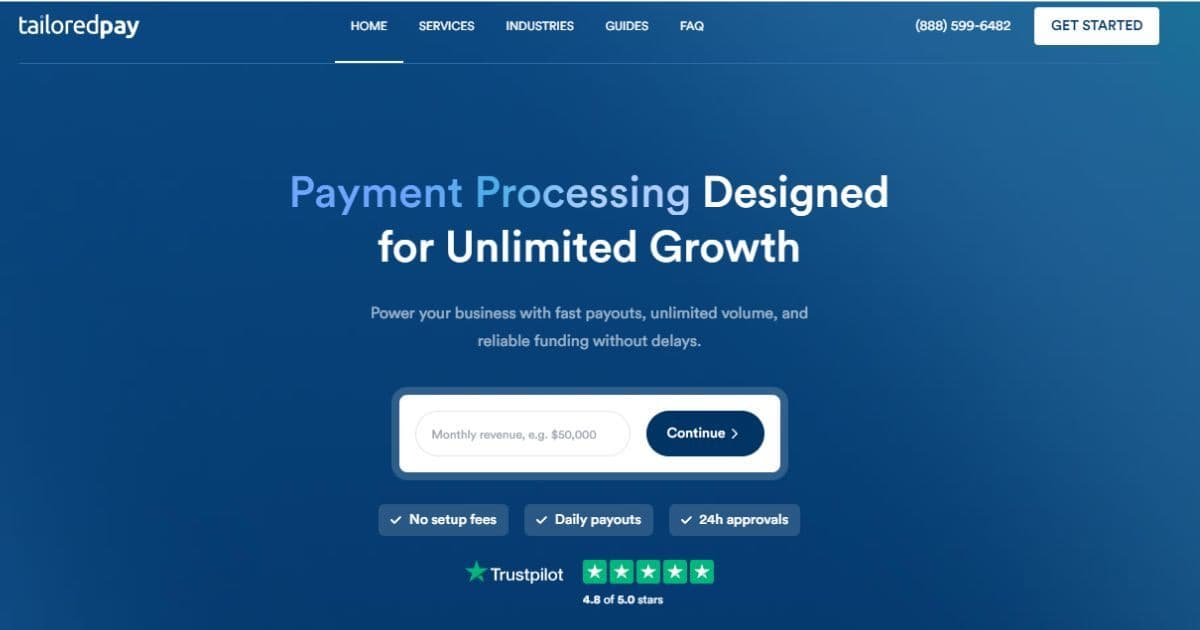
Some experts see AI as creating as many doors as it closes. Daniel Kroytor, CEO of TailoredPay, believes the technology is reshaping opportunities rather than eliminating them.
“The interest in tech careers is the same, if not stronger, thanks to AI,” Daniel says. “Some fields are harder to break into, but AI is lowering barriers. Now anyone can become a developer, designer, or copywriter if they’re willing to learn.”
His advice to young professionals is straightforward: “Stick to what you love and study how AI is changing it. That’s where the real opportunity lies.”
Recalibrating Work: The Human Edge in a Tech-Driven Economy
Felicia Shakiba, CEO of the CPO Playbook podcast, and an industrial-organizational psychologist, believes the shift we are seeing is not driven by fear, but by a search for meaning.
“AI is changing the rules for entry-level office jobs, and Gen Z is paying attention,” she says. “Many are moving toward careers that rely on human skill, like trades, healthcare, and manufacturing, because they offer real connection and value that technology cannot replace.”
Felicia notes that this change is not just emotional. Across North America, there has been major reinvestment in production and infrastructure. Companies such as Merck have committed billions to new manufacturing facilities, and programs like the CHIPS and Science Act have encouraged growth in technology and industrial projects.
“These developments are rebuilding the foundation of hands-on work,” she explains. “The trades are no longer backup options. They are strong, forward-looking careers that combine skill and stability.”
To Felicia, Gen Z is not turning away from progress. They are redefining it. “Our job as educators, employers, and policymakers is to help create a future where mastery, purpose, and pride in work are seen as real success,” she says.

Where Yotru Fits In
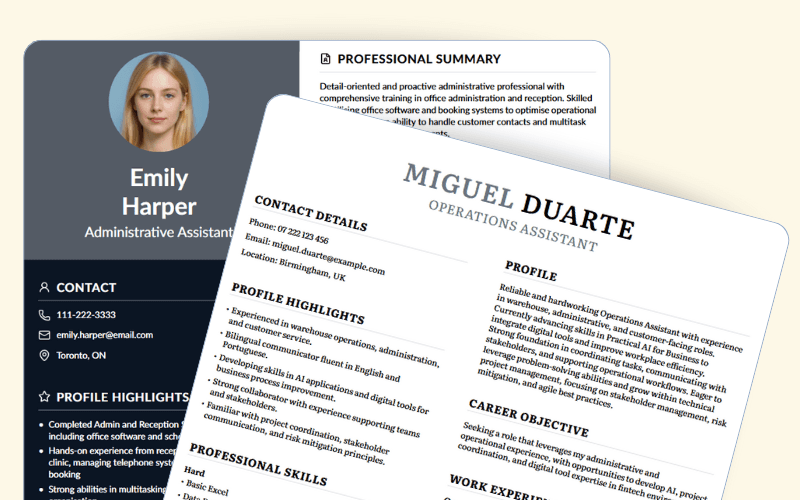
At Yotru, we see this shift every day. Whether you are learning a trade, starting a business, or entering a tech career, your story matters and it deserves to be presented clearly and confidently.
A resume is more than a job application. It is a personal brand statement that shows employers, partners, and clients what you can do. For a tradesperson, it highlights certifications, apprenticeships, and hands-on expertise. For an entrepreneur, it demonstrates leadership, project results, and growth milestones that can open doors to funding, collaborations, or new contracts.
Our AI-powered resume builder helps students, apprentices, and professionals create resumes that reflect who they are and where they are heading. It focuses on real-world experience, adaptability, and initiative, which are the qualities shaping the future of work.
If you are exploring your next step or helping the next generation take theirs, start your journey at Yotru.
In a world transformed by AI, your story remains the most powerful tool you have.
About the Author

Lakshmi Reddy
Career Specialist
Lakshmi Reddy
Career Specialist
Lakshmi is a seasoned Career Specialist, contributing research and insights on hiring trends, resumes, and career pathways.
Frequently Asked Questions
Partially. AI is increasing interest in trades, but it is one of several factors influencing career choices, not the only driver.
Continue Reading
More insights from our research team

AI in Career Services: Practical Use Cases That Don't Replace Advisors
AI in career services isn't about replacing advisors. It's about handling baseline tasks so career professionals can focus on coaching and relationship building.
7 min read

Why Young People Struggle to Get Hired (and What Employers Really Look For)
Students aren’t failing the job market because they lack skills, but because they struggle to translate them. Sandra Davis explains how language, behaviour, and structured thinking separate candidates who get noticed from those who don’t, and what employers actually look for beyond grades.
5 min read

Why Tech Interviews Feel Harder Than the Actual Job
Tech interviews often feel harder than the job itself because they test speed, abstraction, and edge cases instead of real work. Here’s why the gap exists and how to handle it.
6 min read

Layoff Checklist for Employers: Legal and Compliance Essentials
This layoff checklist for employers provides a systematic framework for ensuring legal compliance, fair selection processes, and appropriate employee support throughout workforce reductions.
6 min read