

Employability
3 min read
Applicant Tracking Systems Explained: What Recruiters Actually Do
Synopsis
ATS systems don’t “reject” you the way most people think. They organize, filter, and surface candidates for human review. Here’s what recruiters actually do behind the scenes and how your resume is evaluated.
An applicant tracking system is software that helps companies manage their hiring process. When you apply through a company’s careers page, that page is connected to the ATS.
Behind the scenes, the system stores job postings, resumes, interview notes, and hiring decisions. Think of it as a customer relationship management system for recruitment. It helps employers organize large volumes of applications and move candidates through each stage efficiently.
The Most Common ATS Myths
Myth 1: The ATS Automatically Rejects You
This is rarely true. While some systems have filters for things like minimum experience, certifications, or legal eligibility, most decisions still involve human recruiters. The system helps organize profiles, but recruiters decide which applicants move forward.
Myth 2: You Can “Hack” the ATS
There is no trick that guarantees success. The ATS is designed to capture the information recruiters need. A clear, well-structured resume that uses relevant keywords will always perform better than one filled with gimmicks or random formatting tricks.
Myth 3: Fancy Templates Help You Pass
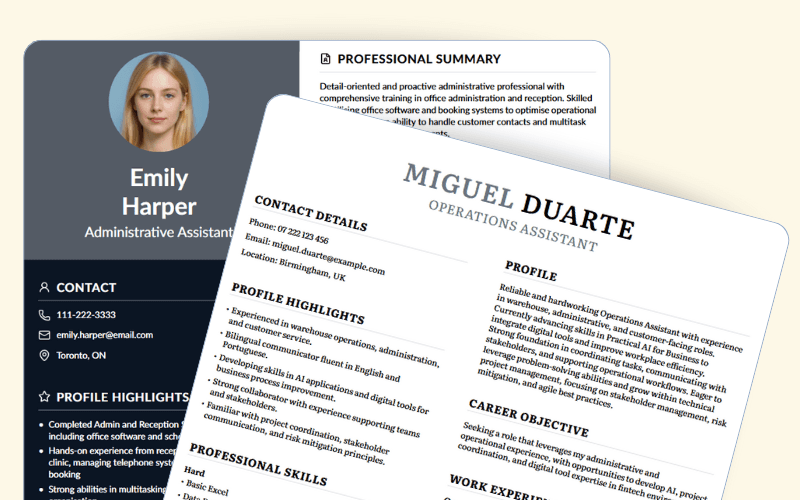
Overly designed resumes with columns, graphics, or tables can make parsing harder. Simple and clear always wins. Recruiters prefer resumes they can read in seconds and immediately see relevance.
How Recruiters Actually Use ATS and LinkedIn
Recruiters rely on two main methods to find candidates.
- Inbound Applications: When a job is posted through an ATS, applicants apply directly. Recruiters do review these applications, but because there can be hundreds, they may only look closely at the first few that clearly match the role.
- Direct Sourcing on LinkedIn: Many recruiters do not wait for applicants. They use LinkedIn Recruiter, a paid tool that allows detailed searches by skills, experience, and location. If your profile lacks the right keywords, you may never appear in those searches.
Speed also matters. Recruiters often create a shortlist early. Being an early applicant or having a keyword-rich profile increases your chances of being seen.
What You Can Do Right Now
- Create and Optimize Your LinkedIn Profile: Write a clear headline and About section. Include keywords from real job postings in your field. These help recruiters find you through search filters.
- Add Skills in Multiple Sections: Place key skills in both your experience descriptions and your Skills section. The more relevant skills you list, the higher your profile ranks in searches.
- Use a Clear Profile Photo: Choose a recent photo with good lighting and a neutral background. Authentic, professional photos build trust.
- Check Your Privacy Settings: Ensure recruiters can message you. It is better to receive extra messages than to miss important opportunities.
- Turn On “Open to Work”: You do not have to display the green banner publicly. Turning it on privately in your settings lets recruiters know you are open to opportunities.
- Add Multiple Locations if Possible: If you can relocate, list other cities where you would consider working. Recruiters often search by location.
- Apply Early: Set alerts for your preferred roles. Being one of the first applicants increases your chances of review.
- Stay Active on LinkedIn: Post, comment, and engage. The algorithm favors active users, which means more visibility for your profile.
- Review Analytics: Check who is viewing your profile. If you are not being seen by recruiters, adjust your keywords and headline.
- Target Each Resume: Tailor your resume to each role. Highlight the experience and results that match the job description.
The Yotru Insight
At Yotru, we help job seekers simplify the process. Instead of worrying about “beating” the system, focus on clarity, keywords, and relevance. Our AI resume builder analyzes real job descriptions and helps you align your resume and LinkedIn profile with what recruiters actually search for.
When your documents speak the recruiter’s language, both the ATS and the human reader work in your favor.
About the Author

Team Yotru
Employability Systems
Team Yotru
Employability Systems
We build practical career tools for training providers and workforce programs, combining labor market insights with real employment outcomes. Follow us on LinkedIn.
Frequently Asked Questions
An ATS collects, scans, and organizes resumes, extracting key information like skills and experience so recruiters can search, filter, and compare candidates efficiently.
Continue Reading
More insights from our research team

Welder Salary in Canada 2026: What You Can Actually Earn
Welder pay in Canada varies widely by province, certification, and industry. This guide breaks down what entry-level, certified, and industrial welders actually earn — and what separates a $60K welder from a $120K one.
5 min read

Green Flags in Interviews: The Subtle Clues That Matter
For job seekers preparing for interviews: learn the subtle green flags that signal you’re on the right track, from conversation flow to interviewer behavior and hidden cues that often predict success.
6 min read

How to Write a Phlebotomist Resume That Gets You Hired
Writing a phlebotomist resume requires more than listing duties. Learn which clinical skills, certifications, and keywords actually matter to hiring managers in labs and hospitals.
14 min read

How to Apply for Jobs While You're Still in School
Still in school and applying for jobs? Here's how to present your education, build your resume, and compete as a student candidate — without waiting to graduate.
5 min read