

Employability
5 min read
ATS Resume Tips That Actually Matter (And Why Speed Beats Perfection)
Synopsis
Most job seekers spend too long optimizing for ATS and apply too late. Here are the ATS resume tips that actually improve your chances — starting with timing.
If you have spent hours tweaking your resume to "beat the ATS," you are not alone. For most job seekers, ATS resume tips have become almost as stressful as the job search itself. Keywords, formatting, parsing errors — it can feel like a puzzle with no clear answer.
Here is what most of that advice gets wrong: applicant tracking systems are not designed to reject you. They are designed to organize you. And the strategies that actually improve your chances have less to do with keyword obsession and more to do with how quickly you apply.
This article explains how ATS really works, what timing has to do with your interview rate, and what practical steps will actually move the needle.
Key Insight
ATS resume tips focus too much on "beating" the system. Most ATS platforms sort resumes into categories — they don't auto-reject them. A human still reviews the results. Apply early with a clean, readable resume and your chances improve significantly.
What ATS Actually Does to Your Resume
Applicant tracking systems are used by most mid-size and large employers to manage high application volumes. When your resume is submitted, the ATS parses it — pulling out your work history, education, skills, and contact details — and sorts it alongside other applications based on how well it appears to match the job posting.
A widely shared comment from a software engineering hiring forum described how one major employer's ATS works in practice:
"Our ATS is not an AI that rejects resumes. It parses resumes for keywords and sorts them into strong, good, fair, or low categories based on qualification alignment and keywords. A person still has to review that."
This is how most enterprise ATS platforms operate. They are organizational tools, not gatekeepers. The recruiter — a real person with limited time — still opens those categories and reviews what is inside.
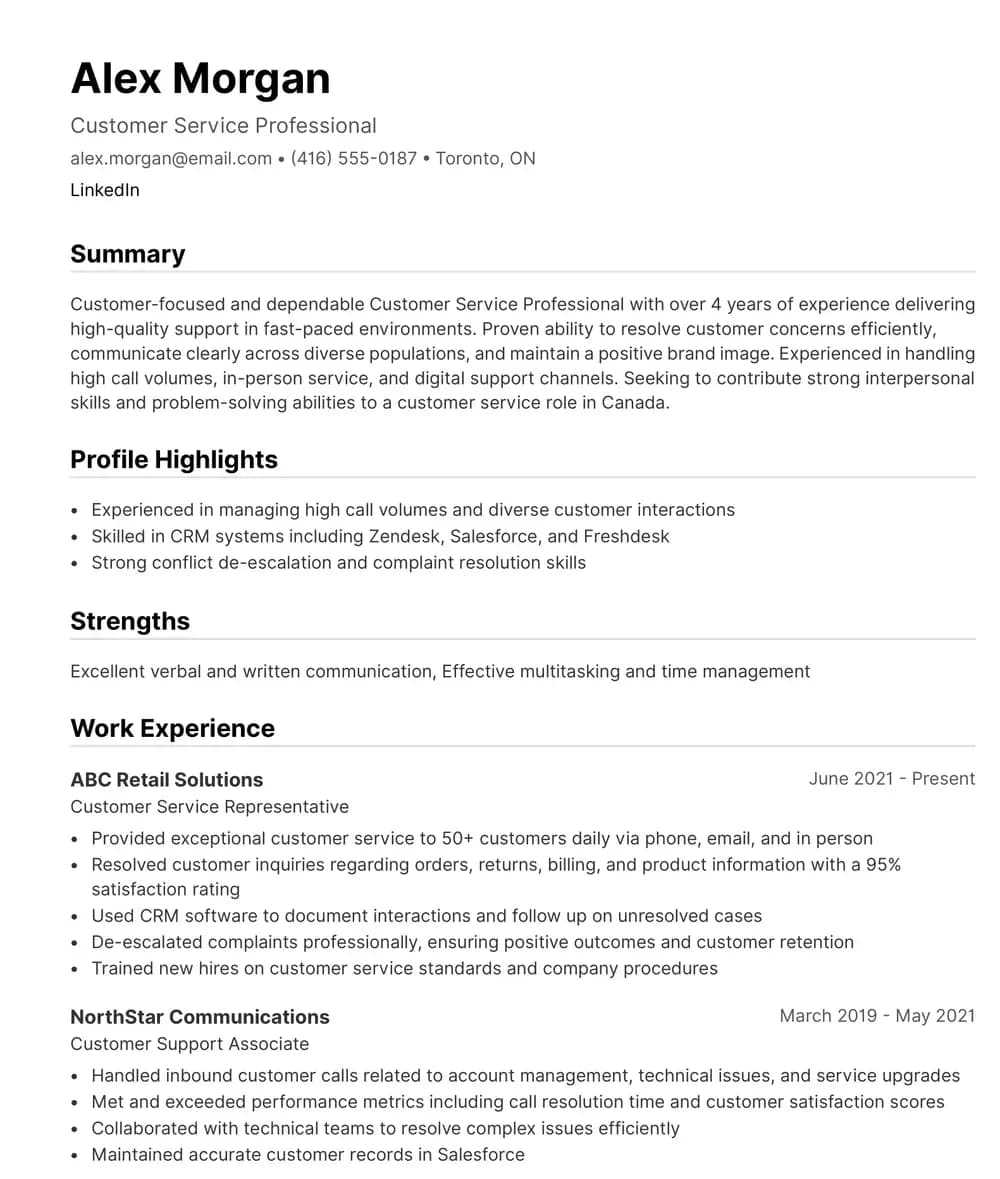
Understanding this changes how you should approach your resume. The goal is not to fool a machine. The goal is to make your resume easy to parse and easy to read when a human picks it up.
How ATS Parses Your Resume
ATS systems extract and categorize your information based on formatting cues. Common parsing issues arise when resumes use:
- Text inside images or graphics
- Complex multi-column tables
- Contact info placed in headers or footers
- Fancy icons or decorative fonts
- Unusual section titles (e.g., “My Journey” instead of “Work Experience”)
Clean, simple formatting helps the ATS read your resume accurately — which means your qualifications actually show up in the right fields.
ATS-Optimized resumes That Meet Employer Standards
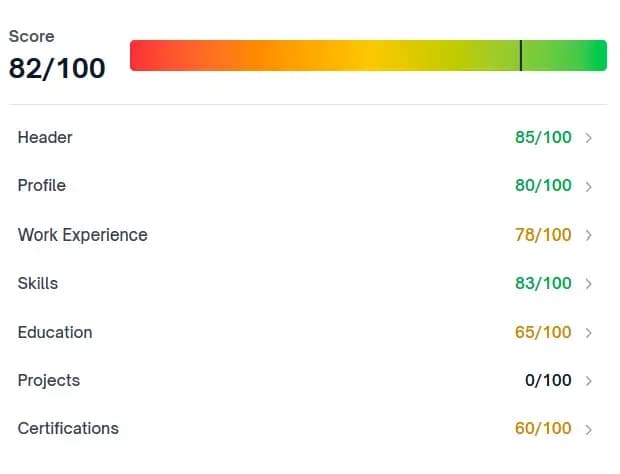
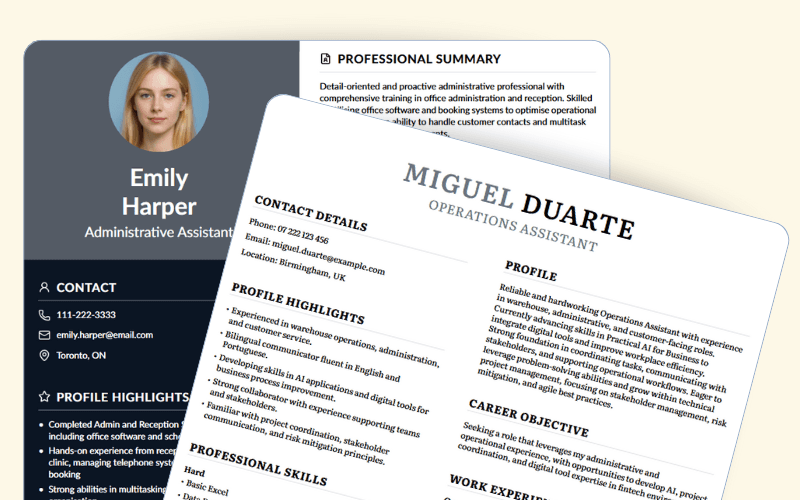
Our AI-powered scoring system helps organizations assess and standardize resume quality at scale. ATS-compliant templates support consistent formatting, keyword alignment, and interview readiness across cohorts.
Why Timing Affects Your Interview Chances
Here is something most job seekers underestimate: recruiters review applications continuously from the moment a role goes live, not after the posting closes.
When a position is filled or when enough qualified candidates have been identified for the interview stage, the recruiter's focus shifts to scheduling. Applications that come in after that point may be reviewed, but they are competing for a much smaller window of active attention.
Research on hiring behavior supports this pattern. Studies have found that applications submitted within the first 24 to 48 hours of a job posting receive a disproportionate share of interview callbacks. The job board algorithms that rank listings also tend to surface new postings most prominently during that initial window — which is when candidate interest and recruiter attention both peak.
Pro Tip
Apply within 24 to 48 hours of a job posting going live. Recruiters are most actively reviewing applications in the early window, and your resume gets more attention before the queue grows.
This does not mean rushing out a sloppy resume. It means having a strong base resume ready to tailor quickly — so you can apply while the role is still fresh and recruiter attention is still high.
How to Make Your Resume Easier to Review
The most practical ATS resume tips are also the ones that make your resume easier for recruiters to skim quickly. Clean structure, relevant keywords, and clear accomplishments serve both audiences — the ATS and the person reviewing it.
Format for Clarity
- Use a single-column layout for maximum ATS compatibility
- Stick to standard section titles: Summary, Work Experience, Education, Skills
- Use a readable font between 10 and 12 points
- Save as a PDF or Word document based on the job posting requirements
- Keep contact information in the main body of the document, not in the header
Use Keywords Naturally
Use the same language as the job description, but only where it accurately reflects your real experience. Do not copy and paste phrases. Instead, align your wording naturally with how the employer describes the role.
Review the job posting and identify core skills, tools, and role titles. If your background matches, incorporate those terms. This helps ATS systems categorize your resume correctly and allows recruiters to quickly confirm relevance.
- Job Titles: Use industry-standard titles that match the role you are targeting
- Skills Section: List specific tools, technologies, and software by name
- Summary: Include the exact role title you are applying for
- Bullet Points: Start with action verbs and include measurable results
Hint
Check the job posting for recurring words. If "project coordination" appears three times and your resume says "task management," consider whether your experience actually matches — and if it does, use their language.
Focus on Accomplishments, Not Duties
Many resumes describe what a person was responsible for, not what they actually achieved. Recruiters are looking for evidence of impact. Where possible, replace duty statements with accomplishment statements.
Instead of: Responsible for managing a team of five. Try: Led a team of five to deliver a product launch two weeks ahead of schedule.
Numbers, outcomes, and specifics help your resume stand out at the human review stage, which is where interviews are actually decided.
Common ATS Resume Mistakes to Avoid
Even well-qualified candidates can be ranked lower due to avoidable formatting and content mistakes. The most common issues include:
- Submitting a resume with no keywords from the job posting
- Using a creative layout that breaks ATS parsing
- Including a photo or graphics the ATS cannot read
- Targeting the wrong job title in your summary
- Sending the same generic resume to every role
- Waiting more than a week to apply after a posting goes live
Pro Tip
Keep a base resume that is ATS-friendly by default — clean format, strong keywords, and clear structure. Then tailor the summary and skills section for each role before submitting. This takes 10 to 15 minutes and significantly improves relevance scoring.
How Yotru Helps You Apply Faster With a Better Resume
The reason most job seekers apply late or apply with a weak resume is the same: building and tailoring a resume takes too long, and the process feels unclear.
Yotru's resume builder is built around this problem. It helps you create an ATS-friendly resume quickly, with structured prompts that surface the right information and a format that parses cleanly across major applicant tracking systems.
Instead of starting from a blank document, Yotru gives you a structured starting point that you can tailor to each role. The result is a resume that is cleaner, faster to produce, and more likely to be read by an actual recruiter.
If you see a role you want today, the best time to apply is now — not after the weekend, not after another round of edits. A focused, ATS-optimized resume submitted early will consistently outperform a perfect resume submitted late.
Yotru is built for job seekers who want to move faster and apply with confidence. Explore the resume builder or start your application directly at yotru.com/onboarding.
About the Author

Team Yotru
Employability Systems
Team Yotru
Employability Systems
We build practical career tools for training providers and workforce programs, combining labor market insights with real employment outcomes. Follow us on LinkedIn.
Frequently Asked Questions
Most ATS platforms do not automatically reject resumes. They parse and categorize submissions based on how well the content matches the job description. A recruiter or hiring manager still reviews the results. The goal of ATS optimization is to ensure your resume is accurately parsed and sorted into the strongest category possible, not to avoid rejection by a machine.
Audience Context
For job seekers who feel stuck “fighting the ATS,” this post reframes the problem: most systems sort, not reject, so your edge comes from applying early with a solid, ATS-friendly resume instead of endlessly chasing perfection.
Disclaimer
This article shares general information about ATS and job search timing and is not legal, financial, or guaranteed employment advice; always consider your own situation or consult a qualified professional before making decisions.
Further Insights
Resume Building and Optimization
- Make Your Resume ATS-Friendly in 5 Minutes Step-by-step guide to formatting and optimizing a resume for applicant tracking systems.
- Resume Columns: ATS Single vs Double Column Comparison of single and two-column resume layouts and how each performs in ATS parsing.
- How to Effectively Target Job Keywords in Your Resume Guidance on identifying and using relevant keywords without keyword stuffing.
- Job Search Strategies That Are Working Now Current approaches to job searching, including timing, applications, and outreach.
Understanding ATS
- Demystifying Applicant Tracking Systems: What Recruiters Really Do Explains how recruiters use ATS outputs to build interview shortlists.
- Hidden Text and Resume Prompt Injection: What ATS Really Does Covers why prompt injection tactics backfire and what ATS actually processes.
- Prompt Injection vs Real Resume Optimization Explains the difference between manipulative tactics and genuine ATS optimization.
References
- What Is an Applicant Tracking System? Society for Human Resource Management overview of ATS use in hiring.
- Hiring Lab: Job Seeker Trends Indeed's research division publishing labor market and hiring behavior data.
- LinkedIn Talent Solutions: State of Recruiting Annual recruiter behavior and hiring trend data from LinkedIn.
- Statistics Canada: Labour Force Survey Current Canadian employment and unemployment data by sector and region.
- U.S. Bureau of Labor Statistics: JOLTS Job Openings and Labor Turnover Survey — data on hiring rates and application activity.
- OECD Employment Outlook International comparison of labor market conditions and hiring patterns.
- Workday ATS Documentation Technical overview of how Workday parses and categorizes candidate applications.
- iCIMS Hiring Insights Data on application volumes, recruiter behavior, and ATS usage from one of the largest ATS providers.
- Greenhouse: Recruiting Benchmark Report Annual benchmarks on time-to-hire, application review windows, and recruiter activity.
- Reddit: Experienced Devs on ATS Reality Primary source comment thread discussing how enterprise ATS platforms actually sort candidates.
Maintained by: Employability & Skills Group at Yotru
Review cycle: Regularly reviewed for accuracy and relevance
Last updated: March 24, 2026
Questions or Need Support?
If you are working on employability programs, hiring strategy, career education, or workforce outcomes and want practical guidance, you are in the right place.
Yotru supports individuals and organizations navigating real hiring systems. That includes resumes and ATS screening, career readiness, program design, evidence collection, and alignment with employer expectations. We work across education, training, public sector, and industry to turn guidance into outcomes that actually hold up in practice.