

Market
7 min read
Jobs in Japan for Foreigners 2026: Where English Speakers Are Getting Hired
Synopsis
Japan's foreign workforce hit a record 2.3 million in 2024, and the country plans to accept over 1.2 million more workers under expanded labor programs by 2028, creating real opportunities for English-speaking professionals in tech, education, and hospitality.
Key Insight
This guide explains which jobs in Japan actually hire foreigners, what visa you need, realistic salary expectations, and how to position your resume for Japanese employers using Yotru's resume builder.
Japan is hiring foreign workers at a pace not seen in decades. According to the Ministry of Health, Labor and Welfare, the country employed 2.3 million foreign nationals as of October 2024, a 12.4% increase year-over-year, and the Immigration Services Agency projects foreign residents will reach 4.15 million by the end of 2025.
This growth reflects a structural labor shortage that Japan cannot solve domestically. The working-age population has shrunk nearly 20% over the past three decades, and the government now explicitly targets foreign talent to fill gaps in IT, healthcare, construction, and hospitality. For English-speaking professionals, this creates a window that previous generations of job seekers did not have.
Where Foreigners Are Actually Getting Hired
Not every industry in Japan welcomes foreign workers equally. The 2.3 million foreign workers are concentrated in specific sectors where demand outstrips domestic supply.
- Manufacturing employs the largest share at 26% of all foreign workers, followed by the service sector at 15.4% and wholesale/retail at 13%. However, the fastest growth is happening elsewhere. Healthcare and social welfare saw a 28.1% year-over-year increase in foreign hires, construction jumped 22.7%, and hotels and dining grew 16.9%.
- For English speakers specifically, the landscape looks different. The most accessible opportunities cluster in three areas:
- IT and technology remains the most promising sector. Japan projects a shortage of 450,000 to 790,000 IT workers by 2030, according to METI estimates. Companies like Rakuten, Mercari, and SmartNews operate with English as a working language, and 80% of developers at some major tech firms are foreign nationals. Tech startups in Tokyo increasingly accept applications from overseas and sponsor visas without requiring Japanese proficiency.
- Education and language instruction continues to absorb English speakers, though conditions vary widely. ALT (Assistant Language Teacher) positions offer stability but modest pay, typically ¥200,000 to ¥280,000 monthly. Private language schools and international schools pay better but often demand longer hours.
- Hospitality and tourism rebounded sharply post-pandemic, with foreign arrivals on track to exceed 45 million annually. Hotels, restaurants, and travel companies actively seek English-speaking staff for front-line and management roles, particularly in Tokyo, Osaka, and tourist regions like Kyoto and Okinawa.
Key Insight
Japan's IT shortage is projected to reach 790,000 workers by 2030. Tech companies increasingly hire English-speaking developers without Japanese requirements, making IT the most accessible path for skilled professionals seeking jobs in Japan.

English-Speaking Jobs: What's Realistic
The phrase "English-speaking jobs in Japan" requires careful interpretation. Very few roles operate entirely in English. Even at globally minded companies, daily interactions with Japanese colleagues, clients, or vendors typically require at least basic Japanese.
That said, certain job categories consistently hire English speakers with limited or no Japanese:
- Software development and engineering: Companies like Mercari, SmartHR, and LINE operate engineering teams in English. Job boards like Japan Dev specialize in listing tech positions that accept applications from abroad and do not require Japanese. Entry salaries for developers range from ¥6 million to ¥8 million annually, with senior roles exceeding ¥10 million.
- International business development: Japanese companies expanding overseas need staff who understand foreign markets. Roles in international sales, overseas partnerships, and export operations value native English skills and cultural knowledge.
- Translation and interpretation: Beyond basic translation, specialized roles in legal, medical, and technical translation command premium rates. Conference interpreting requires advanced skills but pays accordingly.
- Customer support for global products: Tech companies serving international markets staff English-language support teams in Japan. These roles often require less experience than engineering positions.
- Academic research: Universities and research institutions employ foreign researchers, though positions typically require advanced degrees and may involve Japanese documentation.
Visa Requirements for Working in Japan
Understanding visa categories is essential before applying for jobs in Japan. Japanese employers sponsor foreign hires, but the visa system determines which roles you can legally perform.
- Engineer/Specialist in Humanities/International Services is the standard visa for most professional roles. It covers three categories: engineering and science work, humanities-based work (finance, marketing, HR), and work requiring foreign cultural expertise (translation, international business). This visa requires either a bachelor's degree in a related field or 10 years of relevant work experience. Most software developers, business professionals, and language instructors hold this visa type.
- Highly Skilled Professional (HSP) offers additional benefits for qualified candidates. A points-based system evaluates your education, experience, salary, age, and other factors. Scoring 70+ points grants a 5-year visa with easier family sponsorship and accelerated permanent residency eligibility. IT professionals with advanced degrees, high salaries, or specialized certifications often qualify.
- Specified Skilled Worker (SSW) covers labor-shortage sectors like construction, manufacturing, nursing care, and food service. The government plans to accept 805,700 workers under this program by fiscal 2028, expanding to 19 industrial fields. This visa does not require a university degree but involves skills testing.
- Instructor applies to teaching positions at schools. ALT and eikaiwa (English conversation school) instructors typically hold this status.
- Working Holiday offers a temporary option for citizens of partner countries under age 30 (or 25 for some countries). This visa allows virtually any work but expires after one year without extension.
Pro Tip
The Engineer/Specialist in Humanities/International Services visa is tied to job category, not a specific employer. You can change jobs within your field by notifying immigration within 14 days. This flexibility makes it the preferred choice for career-minded professionals.
Salary Expectations in Japan
Salary discussions require context. Japanese compensation includes base salary, bonuses (typically 2 to 4 months annually), and benefits that vary significantly by employer.
- Tech sector salaries have risen as companies compete for scarce talent. Software engineers at startups earn ¥6 million to ¥8 million at entry level, with experienced developers at established firms reaching ¥10 million to ¥15 million. Senior engineers at top-paying companies like Indeed Japan, Google, and Amazon can exceed ¥20 million.
- English teaching pays modestly. ALT positions through JET Programme offer approximately ¥3.36 million annually with housing support. Private eikaiwa schools pay ¥2.5 million to ¥3.5 million. International schools pay better, ¥4 million to ¥7 million depending on qualifications and experience.
- Business roles vary widely. Entry-level positions in international sales or marketing start around ¥4 million to ¥5 million. Mid-career professionals with bilingual skills and industry expertise can reach ¥8 million to ¥12 million. Executive roles at multinational companies in Japan often match or exceed Western compensation.
- Cost of living context matters. Tokyo is expensive, with one-bedroom apartments in central areas costing ¥100,000 to ¥180,000 monthly. However, healthcare through the national insurance system costs roughly ¥30,000 to ¥50,000 monthly (income-dependent), significantly less than comparable coverage in the US.
Typical Salary Ranges. Salaries in Japan vary significantly by role, experience level, and employer type. Technical and bilingual roles tend to command higher compensation, especially at foreign or multinational firms. Below are typical annual gross salary ranges before tax:
• Software Engineer (Entry): ¥6M–¥8M, higher at foreign firms
• Software Engineer (Senior): ¥10M–¥15M, top companies exceed ¥20M
• ALT / English Teacher: ¥2.5M–¥3.5M, JET often includes housing
• International Sales: ¥5M–¥8M, commission structures vary
• Bilingual Business Manager: ¥8M–¥12M, industry dependent
How to Find Jobs in Japan from Abroad
The job search process differs depending on whether you're applying from outside Japan or already residing there.
From abroad, focus on companies that explicitly sponsor visas and accept overseas applications. Specialized job boards filter for these opportunities:
- Japan Dev lists tech roles at English-friendly companies, many accepting applications from anywhere
- GaijinPot Jobs aggregates positions across industries with visa sponsorship filters
- CareerCross focuses on bilingual roles at international and Japanese companies
- LinkedIn works better than many expect; Japanese startups actively recruit through the platform
When applying from overseas, expect longer timelines. The Certificate of Eligibility (COE) application alone takes 1 to 3 months after a company decides to hire you. Plan for 4 to 6 months from job offer to start date.
Already in Japan on a student, working holiday, or other visa? Your options expand significantly. You can attend job fairs, network in person, and demonstrate commitment by being physically present. Many companies prefer local candidates to reduce visa uncertainty and interview logistics.
Pro Tip
Companies listed on Japan Dev undergo vetting for work environment and foreign-friendliness. The site turns away 90% of companies that request listings, making it a curated source for quality tech positions that welcome English speakers.
Building a Resume for Japanese Employers
Japanese employers expect different resume formats than Western companies. However, English-speaking roles at internationally minded companies often accept Western-style resumes, particularly in tech.
For Japanese-format resumes (rirekisho): These follow a rigid template with specific sections for photo, personal information, education, and work history. Date formats use Japanese calendar years or Western years consistently. Handwritten versions, while declining, still appear in traditional industries.
For Western-format resumes at English-friendly companies: Keep formatting clean and simple. Japanese employers often print resumes, so elaborate designs that look good on screen may not translate well. Focus on concrete achievements with quantifiable results.
Key points for any format:
- Lead with relevant technical skills and certifications
- Quantify achievements where possible (increased sales by X%, reduced processing time by Y%)
- Include language proficiency levels (JLPT scores if applicable)
- List visa status if already in Japan
- Keep length to 1-2 pages maximum
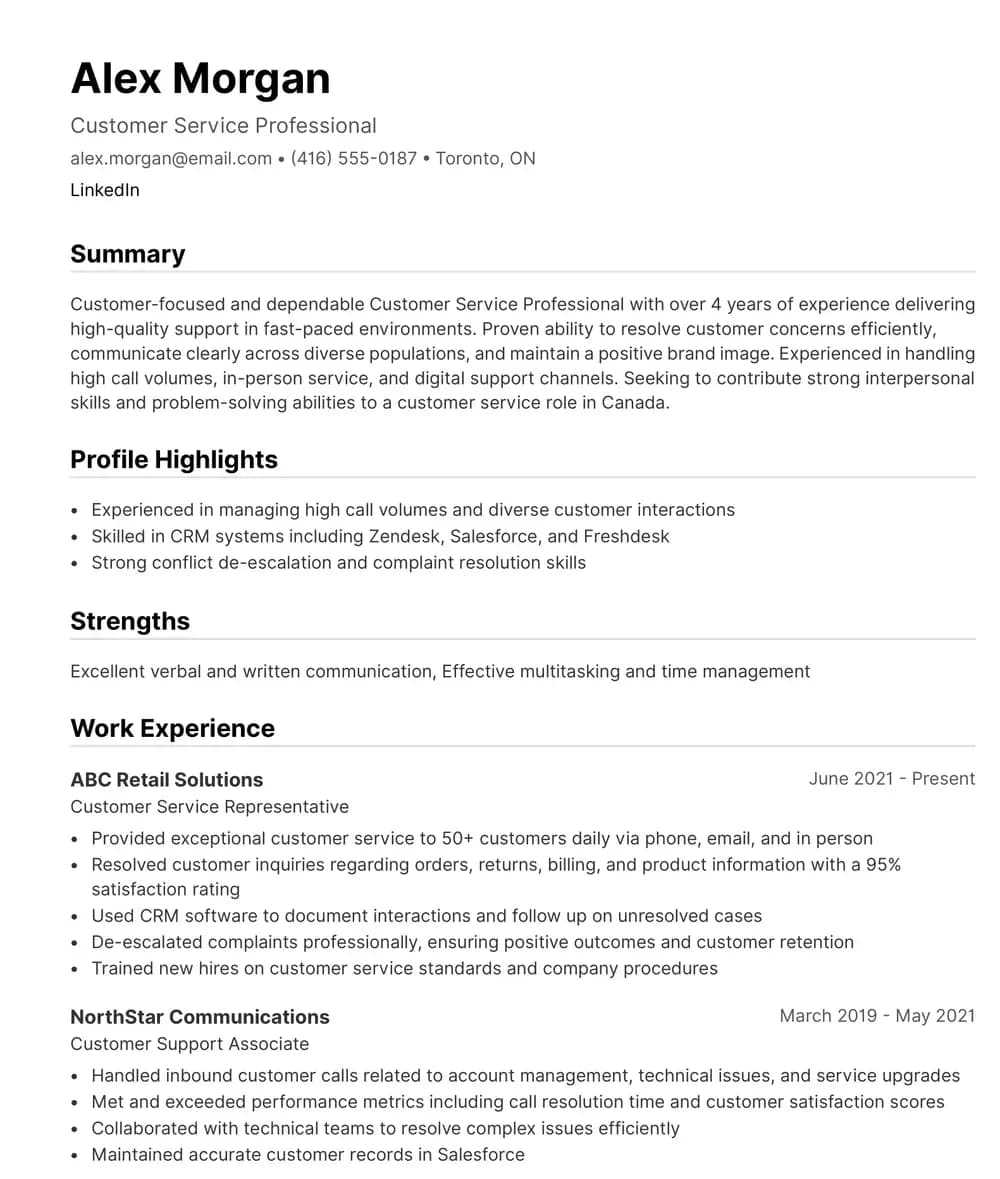
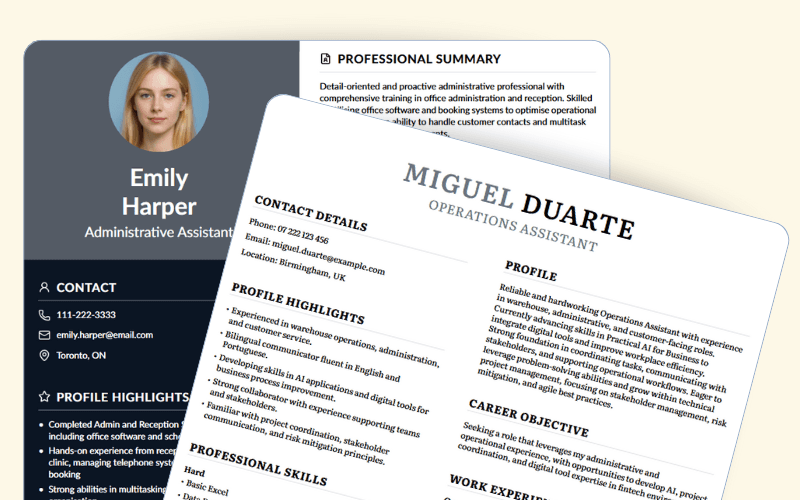
Yotru's resume builder helps you create resumes optimized for ATS systems that Japanese companies increasingly use. The platform structures your experience to highlight transferable skills and presents qualifications in formats that resonate with employers hiring foreign talent.

Get Started with Your Japan Job Search
The latest Japan's hiring trends from 2026 show a shift towards accepting foreign talent, but success requires targeted preparation. Focus your search on industries with genuine shortages, understand the visa category your target roles require, and present your qualifications in formats Japanese employers expect.
Yotru's resume builder helps job seekers create resumes that pass ATS screening and highlight the skills Japanese employers value. Whether you're targeting tech startups in Tokyo or international business roles in Osaka, a well-structured resume remains your first point of contact with potential employers.
Pro Tip
Japan's traditional reluctance to hire mid-career is breaking down due to labor shortages. Professionals at 40-50 successfully transitioning industries. Focus on how your experience solves employer problems rather than apologizing for non-traditional path.
ATS-Optimized resumes That Meet Employer Standards
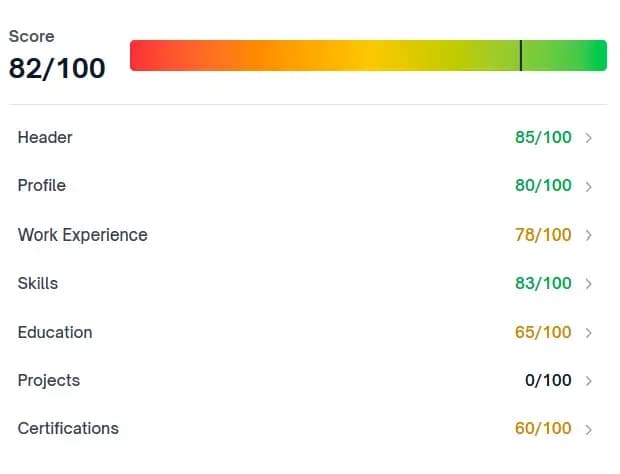
Our AI-powered scoring system helps organizations assess and standardize resume quality at scale. ATS-compliant templates support consistent formatting, keyword alignment, and interview readiness across cohorts.
About the Author

Team Yotru
Employability Systems
Team Yotru
Employability Systems
We build practical career tools for training providers and workforce programs, combining labor market insights with real employment outcomes. Follow us on LinkedIn.
Frequently Asked Questions
Yes, particularly in IT, where many companies operate engineering teams in English. Roles in international business development, translation, and English teaching also hire non-Japanese speakers. However, career advancement typically requires at least conversational Japanese, and daily life outside work becomes significantly easier with language skills. Approximately 30% of managers in one survey reported that foreign staff lacked sufficient Japanese, suggesting language remains a practical concern even at English-friendly companies.
Audience Context
This content is designed for job seekers, career changers, and workforce professionals navigating the Japanese labor market. It explains where demand exists, how demographic constraints shape hiring, and how individuals can align their skills with employer expectations in Japan's unique employment environment.
Editorial Standards
All content is developed using verified public data and reviewed for clarity, accuracy, and neutrality. Insights are grounded in observable labor market trends rather than promotional claims. Information is updated periodically to reflect changes in economic conditions, policy, and hiring demand.
Research Methodology
This analysis draws on publicly available data from Japanese government agencies, labor market institutions, international economic sources, and industry analysis. It integrates employment statistics, sector-level demand indicators, and demographic projections to reflect current and emerging trends in Japan.
Disclaimer
This content is provided for informational purposes only and does not constitute legal, immigration, or career advice. Readers should consult official government sources or qualified professionals before making employment or relocation decisions.
Related Resources
Market and Research
- Japan Jobs 2026: Hiring Trends + Salary Guide Comprehensive analysis of Japan's labor market conditions, sector-by-sector hiring outlook, and salary benchmarks for 2026.
- Hiring Trends in Singapore Comparison market analysis for job seekers considering multiple Asian destinations.
- Why It Feels So Hard to Get a Job Right Now Context on global hiring dynamics affecting job seekers across markets.
Resume Building and Optimization
- How to Write a Canadian Resume as an International Student Resume guidance for international job seekers adapting to new market expectations.
- Make Your Resume ATS-Friendly in 5 Minutes Practical guide to resume formatting that passes automated screening systems.
References
- Ministry of Health, Labor and Welfare. (2025, January). Foreign workers statistics as of October 2024. https://www.mhlw.go.jp/english/
- Immigration Services Agency. (2025, October). Foreign residents statistics as of June 2025. https://www.moj.go.jp/isa/publications/press/13_00058.html
- Ministry of Economy, Trade and Industry. (2024). IT talent supply and demand survey. https://www.meti.go.jp/english/
- Japan Times. (2025, December 23). Japan aims to take in 1.23M foreign workers under labor migration programs. https://www.japantimes.co.jp/news/2025/12/23/japan/society/foreign-worker-cap/
- Nippon.com. (2025, February 26). Japan's foreign workers hit new record of 2.3 million. https://www.nippon.com/en/japan-data/h02312/
- OECD. (2025). International Migration Outlook 2025: Japan. https://www.oecd.org/en/publications/2025/11/international-migration-outlook-2025_355ae9fd/full-report/japan_ccc89a8d.html
- Robert Half Japan. (2026). Technology and IT salary trends in Japan. https://www.roberthalf.com/jp/en/insights/salary-guide/technology
- Ministry of Foreign Affairs of Japan. Work or long-term stay visa categories. https://www.mofa.go.jp/j_info/visit/visa/long/index.html
- Japan Dev. (2025). Software developer jobs in Japan for English speakers. https://japan-dev.com
- GaijinPot Jobs. (2026). Jobs in Japan with visa sponsorship. https://jobs.gaijinpot.com/
Maintained by: Labor Intelligence Group at Yotru
Review cycle: Monitored as market conditions evolve
Last updated: February 13, 2026
Questions or Need Support?
If you are working on employability programs, hiring strategy, career education, or workforce outcomes and want practical guidance, you are in the right place.
Yotru supports individuals and organizations navigating real hiring systems. That includes resumes and ATS screening, career readiness, program design, evidence collection, and alignment with employer expectations. We work across education, training, public sector, and industry to turn guidance into outcomes that actually hold up in practice.