
Employability
2 min read
What Type of Fonts Should You Use in Your Resume?
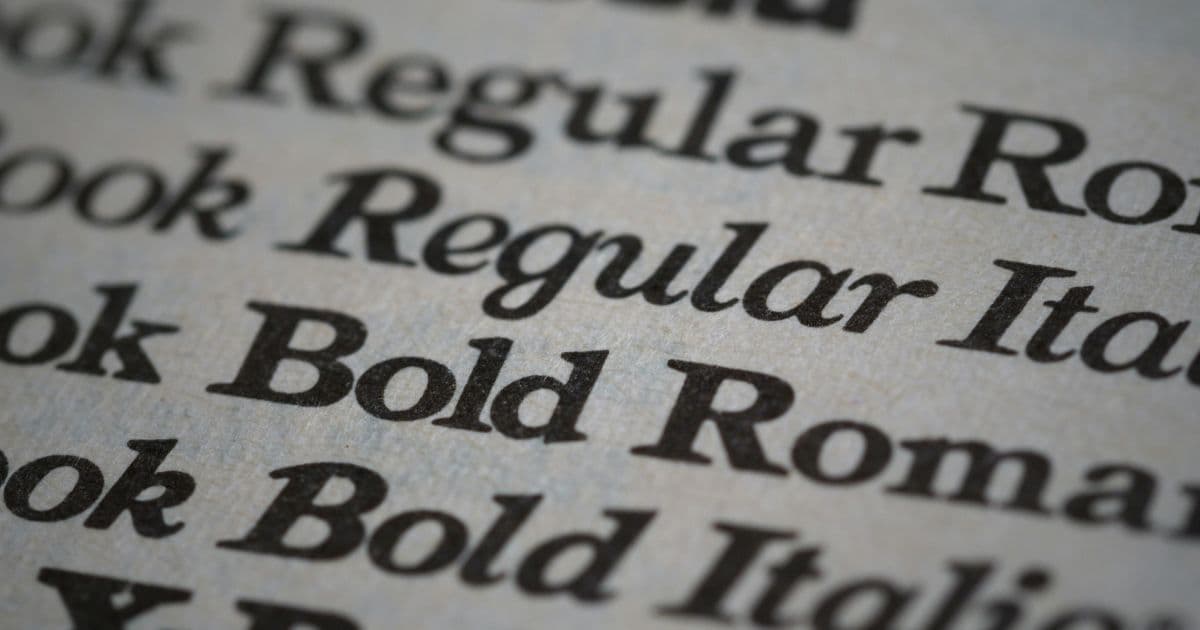
The font you choose matters. A clean, professional font makes your resume easy to read on screens and on paper. It also helps Applicant Tracking Systems scan your information correctly.
Use clean, simple fonts
The safest fonts are the ones that are easy to read and look professional. Good choices include:
- Calibri
- Arial
- Helvetica
- Verdana
- Georgia
- Times New Roman
- Cambria
These fonts are used in business documents every day, so employers are comfortable with them.
Keep the size readable
Most resumes use font sizes between 10 and 12 for regular text.
Headings, such as “Work Experience” or “Education,” can be a little larger, around 12 to 14.
If your text is too small, managers will not read it. If it is too big, it looks unprofessional.
Avoid fancy or playful fonts
Do not use fonts like:
- Comic Sans
- Papyrus
- Script or handwriting fonts
They look unprofessional and can be hard to read. They can also confuse Applicant Tracking Systems.
Stick to one or two fonts
Using too many fonts makes a resume messy. Choose one font for the whole resume, or use one for headings and one for regular text. Keep it simple.
What about bold and color?
Bold text is fine for headings or job titles.
Color is okay in small amounts, as long as the text stays clear and readable in black and white.
Keep it Clean
A resume is not a poster or a design project. Employers care about clear information. A clean font, readable size, and simple layout will always look professional.
Get started on a simple and effective resume on Yotru.
About the Author
Team Yotru
Employability Systems
Team Yotru
Employability Systems
We build practical career tools for training providers and workforce programs, combining labor market insights with real employment outcomes. Follow us on LinkedIn.
Questions or Need Support?
If you are working on employability programs, hiring strategy, career education, or workforce outcomes and want practical guidance, you are in the right place.
Yotru supports individuals and organizations navigating real hiring systems. That includes resumes and ATS screening, career readiness, program design, evidence collection, and alignment with employer expectations. We work across education, training, public sector, and industry to turn guidance into outcomes that actually hold up in practice.
Continue Reading
More insights from our research team

Best Resume Builder for Students
Building a resume with limited experience is a real challenge. This guide explains what the best resume builder for students should offer, and how to turn coursework, internships, and extracurriculars into a competitive application.
5 min read
Resume Builder That Passes ATS Scans
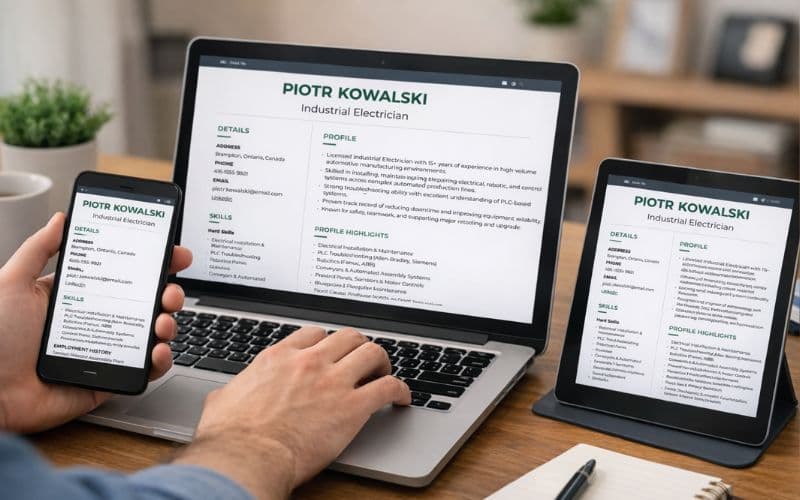
Applicant tracking systems reject a large portion of resumes before a recruiter sees them. This guide explains what a resume builder needs to do to help your resume pass ATS scans.
4 min read

Best Resume Builder for USA
American employers have specific expectations around resume format, length, and content. This guide covers what the best resume builder for USA applications needs to handle — from ATS compliance to regional hiring norms.
5 min read

Best Resume Builder for Laid-Off Employees
Getting laid off puts you under pressure to update your resume quickly. This guide covers what to look for in a resume builder when you've been let go, and how to get back to interviews faster.
4 min read