
Employability
2 min read
What To Bring To a Job Interview
This is an important question, especially if you are just starting your career or returning to work. In-person interviews still matter. They give employers a chance to meet you, see your confidence, and get a sense of how you communicate. Making a strong first impression is important, and being prepared helps you feel calm and professional.
Here is a simple guide on what to bring to a job interview.
Printed copies of your resume
Do not rely on the employer to print your resume. Bring a few clean copies in case you meet multiple people. It shows good preparation and makes a strong impression.
A list of references
Some employers ask for references during or right after the interview. Bring a printed list with names, job titles, and contact numbers. Make sure your references know you are applying for jobs.
Photo ID
Some workplaces require ID at the front desk or before entering secure areas. A driver’s license or government ID is usually enough.
A notebook and pen
Taking notes shows interest and attention. You can write down details about the job, training, or next steps. It also helps if you want to ask questions at the end.
Certificates or trade tickets
If your job requires safety training, trade tickets, or certifications, bring proof. Examples:
- First Aid
- Forklift license
- WHMIS
- Working at Heights
- Apprenticeship papers
This can help you stand out from other applicants.
A copy of your cover letter
If your cover letter explains your skills or experience, bring a printed copy. It can help guide your answers during the interview.
Questions for the employer
A good interview goes both ways. Prepare a few simple questions such as:
- What does a normal day look like?
- Is there training for new employees?
- What are the next steps in the hiring process?
Questions show maturity and interest.
Portfolio or sample work
This is helpful if you have hands-on skills. You can bring:
- Photos of construction or welding work
- School projects
- Coding or design samples
- Repair, carpentry, or DIY projects
Keep it clean and organized.
Dress clean and neat
You do not always need a suit. A clean shirt, tidy pants, and good grooming show respect for the employer. Neat and simple is enough.
Phone on silent
Keep your phone with you, but silence it. Do not use it during the interview.
Final tip
Prepared people look confident. You do not need to bring everything on this list, but bringing the basics will help you make a strong first impression and increase your chances of getting hired.
To get started, build your resume to land a job interview.
About the Author
Team Yotru
Employability Systems
Team Yotru
Employability Systems
We build practical career tools for training providers and workforce programs, combining labor market insights with real employment outcomes. Follow us on LinkedIn.
Questions or Need Support?
If you are working on employability programs, hiring strategy, career education, or workforce outcomes and want practical guidance, you are in the right place.
Yotru supports individuals and organizations navigating real hiring systems. That includes resumes and ATS screening, career readiness, program design, evidence collection, and alignment with employer expectations. We work across education, training, public sector, and industry to turn guidance into outcomes that actually hold up in practice.
Continue Reading
More insights from our research team

Best Resume Builder for Students
Building a resume with limited experience is a real challenge. This guide explains what the best resume builder for students should offer, and how to turn coursework, internships, and extracurriculars into a competitive application.
5 min read
Resume Builder That Passes ATS Scans
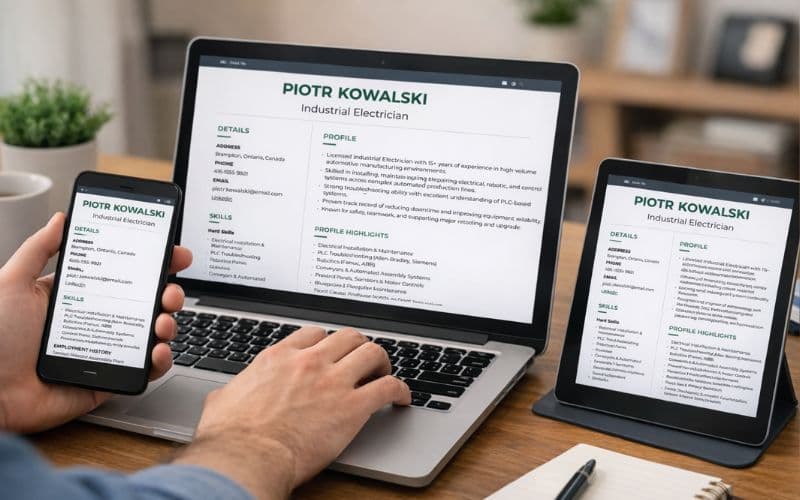
Applicant tracking systems reject a large portion of resumes before a recruiter sees them. This guide explains what a resume builder needs to do to help your resume pass ATS scans.
4 min read

Best Resume Builder for USA
American employers have specific expectations around resume format, length, and content. This guide covers what the best resume builder for USA applications needs to handle — from ATS compliance to regional hiring norms.
5 min read

Best Resume Builder for Laid-Off Employees
Getting laid off puts you under pressure to update your resume quickly. This guide covers what to look for in a resume builder when you've been let go, and how to get back to interviews faster.
4 min read